
The Boldest Among Us
When we look at the leaders who have made the biggest, most creative, most society shifting changes in history, a clear pattern shows up. They were all rather young. Not because young people are somehow better, but because transformation takes imagination, risk, and a comfort with questioning and ultimately stepping outside what already exists. One could say these are qualities that exist amongst the young people in our society, more so than in older adults.
Understanding this, like many of you, I am tired of watching young people pushed to the side of our strategies, the margins of our investments, and the edges of our care. We talk a lot about youth leadership, but then build systems that keep real power, real scale, just out of reach.
The Boldest Among Us is not just a phrase. It describes what this present day moment keeps asking for and what the philanthropic and civic sectors say they want. Boldness. Innovation. Courage. Transformation. These words are everywhere. And yet, the people most proximate to the problems are often at best tokenized, rather than trusted with real leadership and investment.
There is a reason for this that we do not name often enough.
At a certain point, many of us move from learning and imagining, to protecting. Protecting what we know, what we have built, and how we make sense of the world. We become accustomed to our socialization, to the systems that shaped us, and to the roles we have learned to play within them. Simply put, once that happens, imagination, risk, and boldness in this sense simply does not come as easily.
We know this. Learning a new language is harder later in life. Not because adults can’t do it, but because the brain shifts toward protecting what it already knows.
So what does that mean for liberation? If something like a new vocabulary strains us, how do we expect people to unlearn entire systems and ingrained mental models, and imagine freedom beyond them?
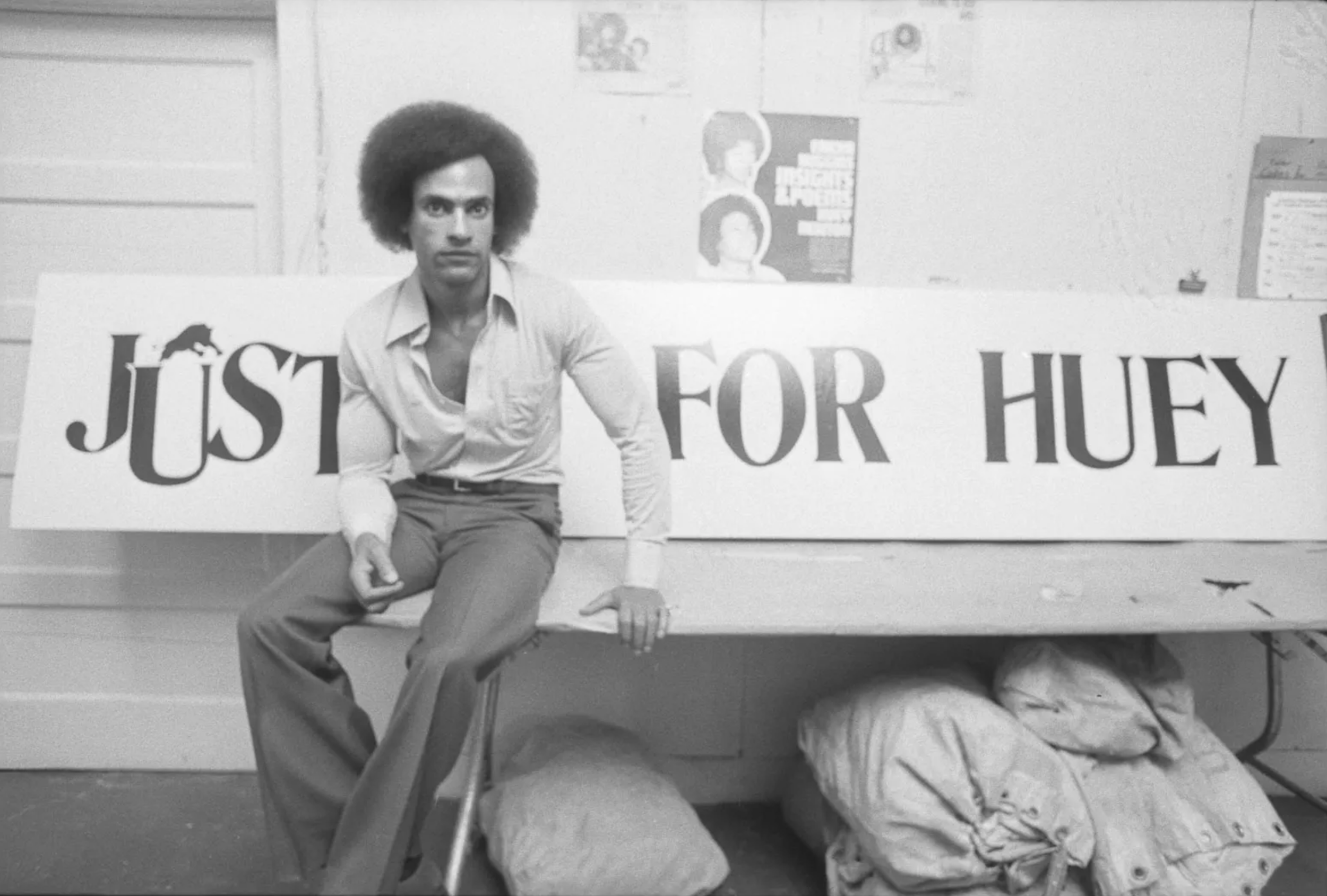
Huey P. Newton
More examples, let's look at the Civil Rights Movement. This era is upheld in a certain way in our history, a movement that reached notable, tangible change for many oppressed people in our society. We tend to remember it as something led by older, established figures, but much of the real momentum came from transitional age youth (16-24), and we certainly have not invested in similar movements of the modern era to scale, despite honoring this time period as being a successful marker of social transformation. Many of the leaders we now celebrate were in their late teens and early twenties when they took their biggest risks and stepped into leadership. Students and young organizers drove sit ins, freedom rides, voter registration, and mass mobilization. We honor the movement, but often miss how young it actually was when we talk about it.
Look around the world. Try to find a truly liberatory movement that was not catalyzed, shaped, or driven by young people, often between the ages of 18 and 25. There are exceptions, of course. By contrast, authoritarian and fascist movements are much more likely to be led by older leadership structures built around hierarchy and control. This is not an argument against elders or experience. It is an argument against systems that consistently lack the hopefulness, creativity, courage, and imagination that I have personally seen so many young leaders bring naturally.
In philanthropy, this shows up in familiar ways. We say we want bold ideas and innovation, but tend to design strategies that mitigate risk taking. Young people are invited to speak, share stories, and offer perspective, but far less often brought into real decision making.
This is why The Boldest Among Us matters right now. If we truly believe young people are leading indicators of where society is headed, if we really believe they are often on the right side of history, why do we keep treating them like a future investment instead of a present force?
That question is the core reason behind the Boldest Among Us Statewide Convening Series, presented by the California Youth Power Fund. At a pivotal moment, the series brings funders and donors together to hear directly from young people about what it will take, right now, to build the leadership pipeline needed for immediate impact and lasting, generational change.
History, at least, is clear on one thing. The future has never been built by those most invested in maintaining the present. The political Right, including authoritarian and far right movements, understands this well and has invested accordingly in building its next generation of leaders. The question facing progressive philanthropy, and those individuals with the ability and resources to act outside its constraints, is whether we are willing to take this moment just as seriously.
